
Residential
Real Estate

As a Licensed Residential Real Estate Broker, I’ve developed a range of services to make the buying, selling, and renting process as straightforward as possible.
I’m an advocate for you.
Take advantage of my specialized knowledge and expert services to make sure you get the best opportunities available.
I aim to take much of the hassle and mystery out of the buying and selling process.
I’ll be there with you from the very beginning until the day you close the deal, and beyond.
What’s residential real estate?
Florida residential real estate can be define as a property used for residential purposes, and it includes up to 4 units or less; 10 acres of land or less.
Like condos, cooperatives, townhouses, single-family homes, and multifamily residences.
While location is of key importance, there are various factors that will help you know if a property is right for you.
What to consider when you’re planning to invest in a residential property?
Some of the variables that factor prominently into residential property valuations are:
- Amenities
- Green space
- Scenic views
- Highway and roads access
A key when considering property location is the mid-to-long-term view regarding how the area is expected to evolve over the investment period.
Valuation of the property
Property valuation is important for financing during the purchase, listing price, investment analysis, and insurance; hey all depend on real estate valuation.
It might involves:
- Sales comparison approach: recent comparable sales of properties with similar characteristics—most common and suitable for both new and old properties
- Cost approach: the cost of the land and construction, minus depreciation— suitable for new construction
- Income approach: based on expected cash inflows—suitable for rentals
Investment purpose and horizon
There are many reasons for you to buy a residential property.
The most common are:
Buy for self-use
Here you will save on rent and have the benefit of self-utilization, while also getting value appreciation.
Buy to lease
This offers regular income and long-term value appreciation. However, the temperament to be a landlord is needed to handle possible disputes and legal issues, manage tenants, repair work, etc.
Buy to sell in the short-term
This is generally for quick, small to medium profit—the typical property is under construction and sold at a profit on completion.
Buy and sell (long-term)
This is generally focused on large intrinsic value appreciation over a long period. This offers alternatives to compliment long-term goals, such as retirement.
New construction vs. existing property
Another question about investing in residential property is about which one is better or more convenient: new construction or second hand properties.
And there is not a simple answer to that.
Let’s dig a little bit.
New construction
Usually offers attractive pricing, the option to customize, and modern amenities, but there are some risks, like delays, increased costs, and the unknowns of a newly-developed neighborhood.
Existing properties
Offer convenience, faster access, established improvements (utilities, landscaping, etc.), and in many cases, lower costs.
There are some considerations to make when deciding between a new construction or an existing property:
Review past projects and research the construction company's reputation for new investments.
Review property deeds, recent surveys, and appraisal reports for existing properties.
Consider monthly maintenance costs, outstanding dues, and taxes.
Costs such as these can severely impact your cash flow.
When investing in leased property, find out if the property is rent-controlled, rent-stabilized, or free market.
Is the lease about to expire? Are renewal options favorable to the tenant?
Who owns the furnishings?
Quality-check items (furniture, fixtures, and equipment) if these are to be included in the sale.
Review past projects and research the construction company's reputation for new investments.
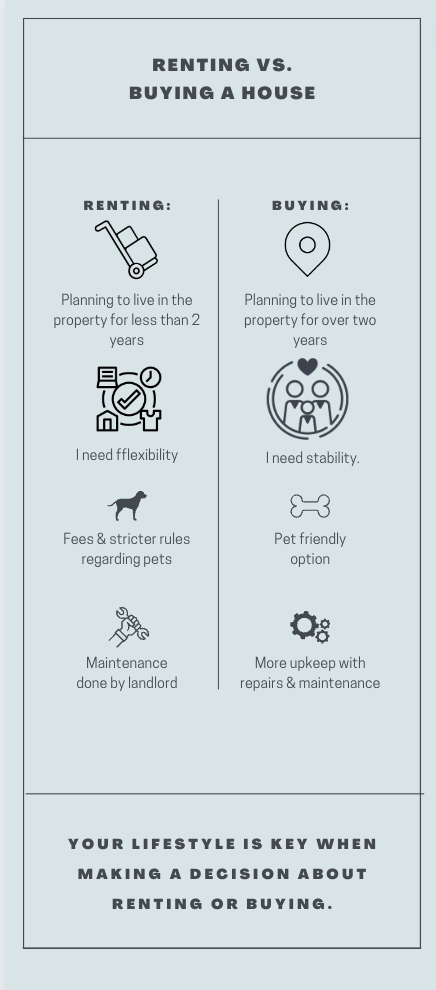
What's better: renting or buying a house?
What you need to know about real estate in Miami to avoid costly mistakes.
There are additional things to consider if you are thinking about investing in residential properties in South Florida, and if you already invested and you’re experience some issues we’re here to help.
One of the most frequent questions I received from buyers and landlords is how I can help them to solve issues with their properties due to property mismanagement, specially when talking with foreign buyers: from renters without a proper contract, property management services not accurately described to many other issues than can cost them a fortune.
I’ll explain the basic steps you must take into consideration to save yourself a significant amount of money and headaches.


